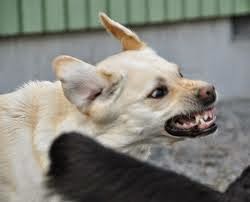
Well Hi There! I know, it's been a while---
There are several topics that have been buzzing in my brain as of late, and while I have the immediate reaction to address them all in one, huge posting, I will refrain and focus on one at a time. This one, while I can't really speak to many other areas of the country, is happening right in front of my face. In my town, in the surrounding areas, and on my social media feed, I am beginning to see too many similar dog faces.....The Cane Corso is the becoming "dog of the moment."
Let's take a quick look at him first.
He's muscular. Stout. Athletic. Loyal. Protective. Receptive to training, when exposed to it properly. Playful. A dog who can work cattle, and watches your home. A good family guy....So what's wrong with that?
Nothing.
I live in a Breed Specific Legislation zone. This means that "pitbull" type dogs are under government regulation--You are not supposed to own them in my city, and this is creating a need/want for a substitute. Unscroupulous individuals are everywhere, and here is no exception. The demand for a replacement breed is up, so there are Humans out there advertising these guys and selling them to anyone who'll pay. I mean, they do come in such wonderful color variations, and the more rare the color, the higher the price tag.....crop their ears and they resemble a giant pitbull.....What's the problem with that?
Everything.
The Cane Corso (pronounced Kah-nay Cor-so) is an Italian Mastiff.
His original purpose is to guard. This is the military version of the mastiff. This guy is capable of doing some damage. They require a TON of socialization and good leadership in training, if you hope to avoid a spoiled, pushy, dominant and potentially dangerous 100 lb dog running your life. They are relatively quiet, so you won't get a lot of "warning" vocally about their intentions. They can be shady around small children (again, if not properly handled/socialized), and people they don't know. They are pretty outgoing as puppies, but as they mature, they draw their social circle closer, and prefer the company of family only. Mr. Corso does not do well when left alone for long periods---Can you just picture the amount of destruction a mastiff suffering from Separation Anxiety can do?
The Cane makes a terrible "my first dog," experience---Unless you happen to be a person who also hires a great Teacher when you get one, so you can learn to get control while he is still a small dog. They excel at Protection Work, as they do want to please their leaders, and are built to dish it out. They can be very independent and tend to make their own choices about how to handle a situation, so you may not be getting a dog who will listen to you the first time you speak (Training!!!!! Do more of it! ). In short, this guy wants to be the boss, and will have a tough time relinquishing that title to you, unless you do so in a fair, firm and consistent way.
In layman's terms, the Cane Corso is capable of being a real jerk.
I know, I'm getting hate mail as I type from those who own/love these guys. Don't get me wrong, I adore these enormous monsters. They are amazing dogs. But just like anything in the wrong/uneducated hands, they can be hard to control. What concerns me, is that now, instead of a 40-60 pound dog (most pitbull types) out of control because their Humans don't know any better...we now have approximately 100 pounds of muscle, attached by leash (hopefully at least a leash) to a small framed, light weight Human .....
To wit: I witnessed this really nice guy with his new Cane pup walking around a store. She was 11 weeks old and already a goodly sized girl. He's got her in public (hooray) and introducing her to everyone (awesome), but allowing her to mouth, jump and tug on strangers clothing (NOOOooooo!!!). I talked with him. He used to have pits. Loved them. But can no longer have them due to BSL, so he bought her, literally, because "they look like big pits." uh oh.....
Fast forward a few weeks. She's out again. Only now, she's almost 40 pounds, and stands about to your knee. She's leaping to the end of her leash, playfully, at anyone walking by. Those foolish enough to stop and pet her get pummeled. She launches into a woman, who almost gets taken out; the woman stumbles, the pup snags a hunk of the lady's skirt and starts to play tug-o-war with it. Her person laughs, "ha ha! She's so playful!" and untangles the lady's clothing from his pup's mouth....I naturally talk to him about some classes, and mention how big his dog is going to be in just a few months. Perhaps teaching her not to pull strangers' clothing may be a good idea? "oh, she's alright. My pits were like this too. She'll grow out of it." uh, no she won't. I'm just saying this is going to be a big dog man....
Give it another couple weeks...Here he is again. She's put on another two inches in height, and is now really pulling him around. Somebody tries to pet her and she jumps on them, immediately biting this person's hands and arms. That person walks away saying something to the guy about how teething puppies need more to chew on. Her Human just stares at the receding person with a smile on his face. Another person tries to pet her, and this biting routine is repeated, only this time, the person she's biting encourages her by playing slap-face. OH! Yay! She goes nuts! She's pouncing and gets his arm in her mouth and starts to play tug with it. ................................. damn it................I go over, remove her from the guy, and return her to her Human.
"Let me make this more clear for you. This animal is going to be almost one hundred pounds when she grows up. This is not funny. This is not cute. This is a dog capable of taking someone's face off..... by accident. She may be playing, but what if she does this to a child?! Get her under control! Get her in to a class, and stop letting your dog bite people! Your lack of control is going to get her killed."
------------------------------------------------------------------------------------------
Good Dogs Die every day because of foolish actions like this.
------------------------------------------------------------------------------------------
There is a Cane Corso around the corner from one of my clients who is destroying the corner of his fence line; he grasps the wire with his mouth and yanks it free from the wood it is poorly secured to...He is doing his job. He is protecting his house from the Intruders who dare to walk their dogs past "his" property. Owner actually watches this from the window, and does nothing.
There are two more (in a different neighborhood) who snap and snarl at each other, while leaping high enough to clear their fence; you can literally see 3/4's of their bodies above the privacy fence, as you walk by. Luckily, they have not figured out how to jump over it...yet. Owner will either yell from inside the house for them to "shut up," or come out on the porch and stare at you as you pass.
Still another is known for biting strangers hands/wrists "without warning" after his Humans give permission to pet him. He is quick. He chooses random people to threaten with body blocks, and then placing his nose on their body (usually the back of the thigh) and growling.... Owner in this case will giggle and say something like "_____(dog's name here)___ don't bite" without moving him away from the human he has threatened.
Two beautiful Corso dogs attend my favorite dog park---I now take my dogs to the other side when I see them. Their person is texting and completely unaware that both her dogs are flanking weaker, smaller dogs and biting them in the back/neck/ears. If the dog is tries to appease them by rolling over, they will really get serious and it usually ends with the smaller dogs owner screaming and yanking these big dudes off the other dog. Owner hears the yelling, sort of looks up and will weakly call out "___(dogs name's here)____ Be nice," before returning to her phone.....
In all four of these scenarios, these dogs are not inherently bad. They are acting according to what comes naturally to them, in these situations...and has not been properly handled by their Humans. They are owned by ignorant, dangerous people. These dogs may well die early deaths. They are huge animals not being responsibly handled.....
This is how Breed Specific Legislation starts.
No matter what sort of dog you have, be it a Border Collie, German Shepherd, Mutt or Mastiff, if you are irresponsible with it, the general public has a tendency to remember you. They don't want to feel unsafe. They don't like to be scared. Or worried for their own family members. These people will act. They will go to city council, and make calls to Animal Control, and to the Police. They will start calling these dogs "dangerous."
I know some wonderful Corso dogs. They are in homes that have done some research, and realize that what they have is not a toy. It is not an accessory to go with their lives as a symbol of how tough they are. They understand that the Corso is not a "pitbull replacement."
They realize their dogs are a responsibility not to be taken lightly. Their dogs are exemplary citizens, who can be trusted with children and other animals. And if they can't handle it, these Responsible Humans are doing their diligence to keep them under control, and not placing them in situations that could potentially get their dogs killed.
I guess my point is that I am watching the rise of another breed's popularity, and it is breaking my heart. I see the numerous gigantic dogs cycling into our local shelters; leftovers that the backyard breeder couldn't sell; or the teenagers that destroyed the apartment after someone bought them and didn't do anything with them....There are not enough homes for most of the dogs in there, much less 100 pounds of out of control...and a lot of them are black. Those are not good odds.
Monday, October 26, 2015
Sunday, July 12, 2015
Bits on Barking: Personality Three....
The Multi-Dog Reactive Symphony!
You know these dogs. One barks at something, so the others sound off too. Not really knowing exactly what the first guy is barking at. Like a bunch of soldiers relaying a message from the lookout, your pack (be it two or 20) is now a cacophony of noise. The followers may be joining the initial nonsense at whatever location he's chosen, or he may be wandering around just making noise every time the other one does.
You may have more than one "Sentry" who sounds off, but whatever the case, it seems if one barks, it sets them all off. What the H do you do with that?!
Well, you certainly can't yell at them to "shush" as this only conveys that barking is indeed what you want, because now you've joined in the bark with the dogs.
You could attempt using a disruptor of some kind. Such as a squirt-bottle, or canned air hissers (the Pet Corrector, for instance) but that sort of thing has its drawbacks. Some dogs actually like being sprayed in the face with water, or are unaffected by "scary" noises." And you can easily build one of those obnoxious dogs that are "So good. All I have to do is pick up the _____insert disruption device of choice here_____and she quiets right down." The dog hasn't actually learned what not to bark at, but has a firm grasp of what happens when you brandish a "weapon." And sure, if you try one of these, and love it, then fine, by all means, use it. Just remember, you may not always have a bottle at hand. There will be times you won't be anywhere close to a water bottle, or your little red can--yes, they do come with holster, so there's that...
Ok, let's say you've discovered the bottle works to disrupt the barking at your house. If you want to instill an actual, long lasting lesson with it, you will need to be loaded.....With Treats!! Getting a break in the noise is only the first step in curbing this habit. As soon as you've sprayed the barker, and successfully silenced them, you absolutely MUST follow the quiet with a "Good, Quiet" as you reward your dogs.
As you administer the "punishment" of the water pistol (ohhhh noooo, it's sooo awfullll!) you can say something simple, like "no" or "Enough," and follow it with your "good" or "thank you."
Remember what I said about a dog's need to be acknowledged for doing his job? You will find faster success if you can first remember to thank your dog for a job well-done. In my house, when the barking begins, you'll hear me say "Good Watching...Thank you...Enough." The Big Guy is still struggling a bit, but that is because he is also a Fearful Barker. We will talk about that personality later.
A dog who is told he is doing a good job when he warns you, is getting the praise he needs in order to more fully understand what you want when you do tell him to be quiet. It is a dogs natural way to say "Hey! There's something approaching!!! Rally the troops!!" Sometimes, this vigilance gets out of hand, and when the whole pack joins in...wow...Rewarding dogs who quiet is where they learn what "Enough" really means.
Another way to quiet a multi-house, is to capitalize on jealousy. Observe your dogs in these moments of barking, and see if you can figure out which one of them gets quiet first. Once you have it pegged, he's your new Tool to teach the others to shush. Make sure you have plenty of delicious rewards readily available, and either with, or without a disruptor, start doling out yummies the moment you get quiet out of one of them. Continue to feed the one that shut up first small bits of delicious things, until the others notice. It's sibling syndrome wielded with skill:
"BARK BARK BARK BAR...waitaminnut...Is he eating over there?! What the heck! I want some!"
Most likely, your other dogs will catch on that Somebody is getting fed, and come over to see what's up. When this happens, go ahead and give them a few pieces of food too, but not nearly as many as you gave your Tool Dog. As you do, say something like "good" or "thank you"---this is becoming your Cue for the quiet. As you repeat this practice, you may find that your mere presence causes them to stop barking and come looking for rewards.
Please Note: If your dogs have ANY kind of food guarding/aggressions, DO NOT use food rewards when other dogs are present. No need to put anyone in danger just for a moments peace.
My Tool dog used to be the Sentry. He used to be the first to sound off all the time, (some days, I think now he only does it to get the other guy going so he can show off how good he's being...) but he is also the one who quieted first. The longer we practiced this, the shorter his outbursts became. My dogs used to feed off each others excitement:
--Little Dog would alert and begin to bark.
--Big Dog would explode and run around looking for whatever he may be barking at.
--Little Dog would then be bolstered by Big Dogs chaos, and fly into a short-lived frenzy of high-pitched barks and whines.
--Big Dog continues to bark, still not really sure what he's barking at.
--Little Dog, being of superior intellect, suddenly notices there isn't anything real to bark at, and gets quiet.
It is in that moment where we doled out rewards to Little Dog. After a few seconds, Big Dog would notice all the fuss being made over Little Dog. "Oh Thank YOU! Enough. Good Quiet! Here's a snack! Oh it's so delicious! Here's another! Thank you, Enough!" Big Dog would race over---"Heeeey! Where's mine?" "oh! Thank you too! Good Quiet! Here you go!"
These days, it looks like this:
--Regardless of who starts it, Little Dog sounds off a few times, then runs to me for his reward. Should he think barking at the thing is actually worth barking at, I simply have to call out "Thank you, Enough" and he will cease and run to me for his reward.
--Big Dog will follow and almost race him to me, as he has learned that the dog who gets there first, will get an extra cookie.
What we've built is a couple of dogs who are learning to Self Correct their own noise. Awesome. Which also means, now I have dogs I can pay in Praises more and more often than I dole out food. More Awesome.
You know these dogs. One barks at something, so the others sound off too. Not really knowing exactly what the first guy is barking at. Like a bunch of soldiers relaying a message from the lookout, your pack (be it two or 20) is now a cacophony of noise. The followers may be joining the initial nonsense at whatever location he's chosen, or he may be wandering around just making noise every time the other one does.
You may have more than one "Sentry" who sounds off, but whatever the case, it seems if one barks, it sets them all off. What the H do you do with that?!
Well, you certainly can't yell at them to "shush" as this only conveys that barking is indeed what you want, because now you've joined in the bark with the dogs.
You could attempt using a disruptor of some kind. Such as a squirt-bottle, or canned air hissers (the Pet Corrector, for instance) but that sort of thing has its drawbacks. Some dogs actually like being sprayed in the face with water, or are unaffected by "scary" noises." And you can easily build one of those obnoxious dogs that are "So good. All I have to do is pick up the _____insert disruption device of choice here_____and she quiets right down." The dog hasn't actually learned what not to bark at, but has a firm grasp of what happens when you brandish a "weapon." And sure, if you try one of these, and love it, then fine, by all means, use it. Just remember, you may not always have a bottle at hand. There will be times you won't be anywhere close to a water bottle, or your little red can--yes, they do come with holster, so there's that...
Ok, let's say you've discovered the bottle works to disrupt the barking at your house. If you want to instill an actual, long lasting lesson with it, you will need to be loaded.....With Treats!! Getting a break in the noise is only the first step in curbing this habit. As soon as you've sprayed the barker, and successfully silenced them, you absolutely MUST follow the quiet with a "Good, Quiet" as you reward your dogs.
As you administer the "punishment" of the water pistol (ohhhh noooo, it's sooo awfullll!) you can say something simple, like "no" or "Enough," and follow it with your "good" or "thank you."
Remember what I said about a dog's need to be acknowledged for doing his job? You will find faster success if you can first remember to thank your dog for a job well-done. In my house, when the barking begins, you'll hear me say "Good Watching...Thank you...Enough." The Big Guy is still struggling a bit, but that is because he is also a Fearful Barker. We will talk about that personality later.
A dog who is told he is doing a good job when he warns you, is getting the praise he needs in order to more fully understand what you want when you do tell him to be quiet. It is a dogs natural way to say "Hey! There's something approaching!!! Rally the troops!!" Sometimes, this vigilance gets out of hand, and when the whole pack joins in...wow...Rewarding dogs who quiet is where they learn what "Enough" really means.
Another way to quiet a multi-house, is to capitalize on jealousy. Observe your dogs in these moments of barking, and see if you can figure out which one of them gets quiet first. Once you have it pegged, he's your new Tool to teach the others to shush. Make sure you have plenty of delicious rewards readily available, and either with, or without a disruptor, start doling out yummies the moment you get quiet out of one of them. Continue to feed the one that shut up first small bits of delicious things, until the others notice. It's sibling syndrome wielded with skill:
"BARK BARK BARK BAR...waitaminnut...Is he eating over there?! What the heck! I want some!"
Most likely, your other dogs will catch on that Somebody is getting fed, and come over to see what's up. When this happens, go ahead and give them a few pieces of food too, but not nearly as many as you gave your Tool Dog. As you do, say something like "good" or "thank you"---this is becoming your Cue for the quiet. As you repeat this practice, you may find that your mere presence causes them to stop barking and come looking for rewards.
Please Note: If your dogs have ANY kind of food guarding/aggressions, DO NOT use food rewards when other dogs are present. No need to put anyone in danger just for a moments peace.
My Tool dog used to be the Sentry. He used to be the first to sound off all the time, (some days, I think now he only does it to get the other guy going so he can show off how good he's being...) but he is also the one who quieted first. The longer we practiced this, the shorter his outbursts became. My dogs used to feed off each others excitement:
--Little Dog would alert and begin to bark.
--Big Dog would explode and run around looking for whatever he may be barking at.
--Little Dog would then be bolstered by Big Dogs chaos, and fly into a short-lived frenzy of high-pitched barks and whines.
--Big Dog continues to bark, still not really sure what he's barking at.
--Little Dog, being of superior intellect, suddenly notices there isn't anything real to bark at, and gets quiet.
It is in that moment where we doled out rewards to Little Dog. After a few seconds, Big Dog would notice all the fuss being made over Little Dog. "Oh Thank YOU! Enough. Good Quiet! Here's a snack! Oh it's so delicious! Here's another! Thank you, Enough!" Big Dog would race over---"Heeeey! Where's mine?" "oh! Thank you too! Good Quiet! Here you go!"
These days, it looks like this:
--Regardless of who starts it, Little Dog sounds off a few times, then runs to me for his reward. Should he think barking at the thing is actually worth barking at, I simply have to call out "Thank you, Enough" and he will cease and run to me for his reward.
--Big Dog will follow and almost race him to me, as he has learned that the dog who gets there first, will get an extra cookie.
What we've built is a couple of dogs who are learning to Self Correct their own noise. Awesome. Which also means, now I have dogs I can pay in Praises more and more often than I dole out food. More Awesome.
Thursday, July 2, 2015
Bits on Barking: Personality Two--The Easily Distracted Barker
Now, this guy may seem much like the Neurotic Noisemaker, but with this personality, there is an obvious cause. The dog is triggered by a stimulus, barks for a short time (30 seconds - a minute approximately) and then quiets. The quiet doesn't last. Just as you think he's given it up, something else gets him going. The stimulus could be as small and benign as a leaf blowing by, or he may actually see an approaching animal or human, but whatever he sees, he barks at.
The trick with this kind of personality, is to realize that he is most likely an extremely nervous guy. He is insecure and worried, and anxious all the time. He is probably not getting enough physical exercise or mental stimulation. He is high-strung, and now his alert, spastic little mind is directly connected to his vocalizations.

How many times in an hour do you think you "notice" something? Doesn't matter what it is, think for a moment...............
Your Distracted Barker "notices" everything with his eyes and ears! And when he does, consider him saying something like this:
"What Was That?!"
"Dis you guys hear That?!"
"Did you see THAT?!"
"HEY!! Over There! What IS That?!"
To him, everything is an event worth rallying the troops over, because everything he sees or hears gets us barking with him..."Hey! Shut UP!" "Reggie! Quit IT!" "NO!!Bad Dog! SHHHHH!" The fact that we are directing our negativity towards him, is none of his concern...We've noticed! You have now acknowledged what he was barking at. Good Job Reggie. Carry on.
So, what do we do to help him? Since yelling at him won't work, we need to take the edge off this dog's energy. As you've probably guessed, he needs more exercise!!!! More Play!!! More things that stimulate his mid to focus and to figure things out, instead of that simple animal reactive addiction to sound that he's built for himself.
1. Enroll this personality in a fun, fast moving class. Agility or nosework are great for these guys. If he's already got a pretty decent handle on obedience, look for a Rally Obedience class if you're up for a challenge---Waaaaay harder than "Sit," I can tell you that for sure.
2. Teach him games like "Find It" or "Seek." These are geared towards using his #1 sense: His Nose. Thus, the suggestion for a nosework class. When a dog is sounding off, he is essentially reacting to what his eyes, or his ears, told him, and not using his nose to tell him if this is an actual threat or not. His mind is far less focused. The exception being scent hounds, which are bred to sound off as they track, but that is a different story.
3. Reward your dog in moments of silence. Catching those breaks in the vocals, and labeling them for your Distracted Barker is tough. You may only have a few seconds of quiet at first, in which to stuff his face with something delicious, or give him his favorite toy. Ultimately it is worth it to work through the frustration. Find something he really likes, and using a cue such as "Quiet" or "Enough" (in a nice tone of voice) begin to build longer spaces of noiselessness.
It looks like this:
"BarkBarkBarkBarkBArk............" *suddenly, you stick a piece of chicken in his mouth in the small silence, saying "good Quiet" as you do. Should he focus on you, without noise, continue to give him a few small bits of meat (cheese, treats, whatever he likes!) as you repeat "good, Quiet." I actually use an entire short sentence for some dogs, as I would like them to pay attention to the sound of my voice: "oh, thank you! Quiet dogs get cheese! good, quiet..." all the while, feeding them.
4. Use a leash or long line (not a retractable for this exercise). As with the Neurotic Noisemaker, you may need to "physically change" what he is doing, in order to calm the vocal storm. Don't say anything to him as you pick up the line. Ignore his barking as you begin to reel him in towards you in a steady pull--no jerking or yelling here, please; it won't work.
The moment he gets quiet, drop the leash, say "good Quiet" or "Thank you, Enough" (as I do with my personal dogs) and throw him a piece of cheese, or a new squeaky toy, or something cool that you know will divert his attention from whatever he was initially focused on.
Should he immediately go back to the bark, pick up the leash again, give it a tug, calmly say (not yell) "no...quiet" and start to reel him back in. Continue to reward every time you get that silence, and he will begin to quiet more quickly.
If you get the feeling that he is changing this game to "I bark. When I bark, my person gives me food, so I'll bark more" ask for an additional behavior before giving out the food. Try using "Watch Me" or " Down," provided your dog knows these things....He doesn't ? Oh, well then I suggest looking up how to teach this, and get to it. :)
5. As your dog becomes conditioned to your rewarding when he gets quiet, you can test his mind's new addiction. When he goes off, try calling out "good Quiet" and see if he stops to turn to you for his reward. If he does, Congratulations!!!! You have built an off-switch for your Distracted Barker!!!
If he doesn't, that meant he needs more practice, and more help from you, and that long line.
This technique can be applied inside your house too. Just use a shorter leash (6-8ft) and begin moving the dog through the house.
The trick with this kind of personality, is to realize that he is most likely an extremely nervous guy. He is insecure and worried, and anxious all the time. He is probably not getting enough physical exercise or mental stimulation. He is high-strung, and now his alert, spastic little mind is directly connected to his vocalizations.

How many times in an hour do you think you "notice" something? Doesn't matter what it is, think for a moment...............
Your Distracted Barker "notices" everything with his eyes and ears! And when he does, consider him saying something like this:
"What Was That?!"
"Dis you guys hear That?!"
"Did you see THAT?!"
"HEY!! Over There! What IS That?!"
To him, everything is an event worth rallying the troops over, because everything he sees or hears gets us barking with him..."Hey! Shut UP!" "Reggie! Quit IT!" "NO!!Bad Dog! SHHHHH!" The fact that we are directing our negativity towards him, is none of his concern...We've noticed! You have now acknowledged what he was barking at. Good Job Reggie. Carry on.
So, what do we do to help him? Since yelling at him won't work, we need to take the edge off this dog's energy. As you've probably guessed, he needs more exercise!!!! More Play!!! More things that stimulate his mid to focus and to figure things out, instead of that simple animal reactive addiction to sound that he's built for himself.
1. Enroll this personality in a fun, fast moving class. Agility or nosework are great for these guys. If he's already got a pretty decent handle on obedience, look for a Rally Obedience class if you're up for a challenge---Waaaaay harder than "Sit," I can tell you that for sure.
![]() |
| St Bernard Agility!!! Yes!!! This makes me smile!!! |
2. Teach him games like "Find It" or "Seek." These are geared towards using his #1 sense: His Nose. Thus, the suggestion for a nosework class. When a dog is sounding off, he is essentially reacting to what his eyes, or his ears, told him, and not using his nose to tell him if this is an actual threat or not. His mind is far less focused. The exception being scent hounds, which are bred to sound off as they track, but that is a different story.
3. Reward your dog in moments of silence. Catching those breaks in the vocals, and labeling them for your Distracted Barker is tough. You may only have a few seconds of quiet at first, in which to stuff his face with something delicious, or give him his favorite toy. Ultimately it is worth it to work through the frustration. Find something he really likes, and using a cue such as "Quiet" or "Enough" (in a nice tone of voice) begin to build longer spaces of noiselessness.
It looks like this:
"BarkBarkBarkBarkBArk............" *suddenly, you stick a piece of chicken in his mouth in the small silence, saying "good Quiet" as you do. Should he focus on you, without noise, continue to give him a few small bits of meat (cheese, treats, whatever he likes!) as you repeat "good, Quiet." I actually use an entire short sentence for some dogs, as I would like them to pay attention to the sound of my voice: "oh, thank you! Quiet dogs get cheese! good, quiet..." all the while, feeding them.
4. Use a leash or long line (not a retractable for this exercise). As with the Neurotic Noisemaker, you may need to "physically change" what he is doing, in order to calm the vocal storm. Don't say anything to him as you pick up the line. Ignore his barking as you begin to reel him in towards you in a steady pull--no jerking or yelling here, please; it won't work.
The moment he gets quiet, drop the leash, say "good Quiet" or "Thank you, Enough" (as I do with my personal dogs) and throw him a piece of cheese, or a new squeaky toy, or something cool that you know will divert his attention from whatever he was initially focused on.
Should he immediately go back to the bark, pick up the leash again, give it a tug, calmly say (not yell) "no...quiet" and start to reel him back in. Continue to reward every time you get that silence, and he will begin to quiet more quickly.
If you get the feeling that he is changing this game to "I bark. When I bark, my person gives me food, so I'll bark more" ask for an additional behavior before giving out the food. Try using "Watch Me" or " Down," provided your dog knows these things....He doesn't ? Oh, well then I suggest looking up how to teach this, and get to it. :)
5. As your dog becomes conditioned to your rewarding when he gets quiet, you can test his mind's new addiction. When he goes off, try calling out "good Quiet" and see if he stops to turn to you for his reward. If he does, Congratulations!!!! You have built an off-switch for your Distracted Barker!!!
If he doesn't, that meant he needs more practice, and more help from you, and that long line.
This technique can be applied inside your house too. Just use a shorter leash (6-8ft) and begin moving the dog through the house.
Friday, June 26, 2015
Bits on Barking: Personality One
So, now that you know why he's barking (see "NOISE!BARKHOWLWOOFBAROOOOOoooooooo!" article; Sept. 2014) how on earth do you help quiet the cacauphony? I wish I could say it was a fast, simple solution--and in truth, it IS simple, but which method you choose, must match your particular dog's personality, and his propensity for making noise, in order to have any kind of success at all. Therein lay the complexity of helping to calm the verbal chaos.
Over the next few articles, we will address a few of the more common "personalities" when it comes to this obnoxious habit, and a few ways to create more calm and quiet in your life. Once you have identified "why" your dog is barking, then you can have a more educated approach to how you "fix" this.
Personality Number One: The Neurotic Noise-Maker
This is a guy who has an initial stimulus of unknown origin, and just can't seem to stop barking. I'm not talking about a dog who barks AT something, or someone, he can hear or see, and then eventually slows, or gets distracted and does something else. No, this guy barks in a continuous stream of obscenity at nothing. He barks when you open the back door for him, and continues to bark as he races around the yard, as you throw a ball for him, or even better......he barks as he squats to poop. There is no cessation of noise. No break in the insanity. He just barks.
For this sort of issue, as with most behavioral "problems," please start with a visit to your veterinarian. There is such a thing as OCD (obsessive compulsive disorder) in canines, and such a thing may well warrant a short-term course of medication. These problems can be, and frequently are, helped without drugs, but if your dog is suffering, why wouldn't you give them every advantage to a more relaxed, calm way of being?
With or without neurologically altering drugs, some training is necessary. Bad behaviors can become mental addictions, and in order to change that pattern, you need to build some alternative behaviors for the dog to work with.
1. Never let your dog out of doors without a long line, or leash of some kind attached to you. If your OCD barker is not attached to you in some fashion that will allow you to reel him in, how are you planing to control his actions?
2. Get your dog going on some basic obedience in an environment that doesn't send him into the fits. Even if this means you must start your training in your bedroom, with soft music playing and your dog attached to a leash (and a whole lot of whatever treat/toy he finds most appealing), do it. Learning how to "Sit" "Down" "Come" and "Leave It" may seem irrelevant to the issue, but getting your dog to do things that require thought, instead of simple reaction, helps change the way his head works. They also give you ways to begin to show your dog how to "shut off the crazy."
3. Build some controlled crazy by increasing the play with your dog. As you teach your pup to do some basic obedience, and more tricks, start incorporating it into play sessions. In your controlled environment, have your dog play. In the middle of this play, stop and suddenly ask for a "Down" or other such behavior that you have taught your pup. This will help him learn to change gears, as it were, on his behavioral patterns. "OHMYGAWD!!!MY TENNIS BALL IS SOOO....wait...did she say 'sit?' ok...now i'm sitting....and now she made me down....hmmmm....OOH TENNIS BALL IS BACK!!!YAY!!!"
4. If at all possible, increase your dogs level of physical exercise. Just as this has been proven effective in managing certain mental disorders in Humans, this is a vital part of a healthy dog. I feel like a broken record, but please, DO more with your dog. Yes, I know, he is super annoying to try to walk with all that noise happening. But if he's annoying AND full of excess energy, it is going to be much, much more difficult to break this habit.
Ok, OCD dog blasts out the door and .... No...wait, come back here (use long line to reel dog back into house)....Sit yourself. Thank you. Let's try that again. Wait...(open the door as the dog waits patiently)...and he's off again!!!!....come on back....try it again. Sit....Wait....(open the door again)...this time he waits....
Getting over the first step of teaching OCD guy that hitting the threshold at Mach 9 is only going to result in your patiently, and gently pulling him back into the house to try a softer, slower entry, is the most important step. Most of these personalities have built the reactionary association that "going outside = high speeds and noise," so reprogramming him to have a calmer approach to it altogether is key. Yes, it will take you "forever" to let him out to pee, but guess what? He's going to learn to do it without spazzing out.
As you work through this, each and every time he looks as though he's becoming too intense, or you feel an episode of barks coming on, reel him towards you, and ask for some behaviors. Silly tricks like "High Five" or "Dance" don't require your pup to sit on ground that may be muddy, cold, or otherwise uncomfortable, so get creative. The point is to redirect all that chaos, into a controlled, quiet, enjoyable time in the back yard.
Next Time:
Personality Number Two--- The Easily Distracted Barker.....
Tuesday, May 5, 2015
A Lot for a Little: Using Addiction to Cure Your Training Struggles
Congratulations! You and your pup have graduated to the next level of training. You took them to a basic puppy kindergarten level class, where they learned their first lessons in social play. You taught them how to Sit, Down, Come (most of the time), Leave It, the beginnings of a good Stay and hopefully, a few more choice things. Now it is time to move on.
It is time to learn the true Art of Distraction.
...Literally, stop giving your dog any time to think about anything else but the reward they want from you. Up until now, you have gone slowly. Too slowly. It is time to show your dog that You are the distraction to pay attention to. If you begin to think of yourself as The Distraction, instead of the person trying to keep the dogs attention away from outside distractions, you may find yourself being more creative in your approach.
Most basic classes are geared towards teaching the Human to communicate with their puppies. I know mine is. The speed at which the class moves, is for your benefit; not the dogs. The dogs can move and learn a whole lot faster than my kindergarten classes go. This is because if we were moving at the speed of Dog, no one would enjoy my class but me.
At this point in your puppy's development in training (we'll call this level 1 1/2), he should be capable of doing a lot for very little. Most of you have made the mistake of removing the reward too soon, and are expecting your dog to work for free well before he is ready. If this has happened, your dog is no longer focused on you, and you have become ineffective background sound attached to his leash. You may be wondering why you took a class in the first place, as the dog clearly hasn't learned anything.
Or the opposite has occurred, and you are still giving the dog too many rewards for every little thing she does that is correct. And you now have a dog who refuses to listen, unless you are standing right in front of her, stuffing treats down her gullet....Until something more interesting comes along, and she decides THAT is more fun.
In both cases, you now have a dog who doesn't listen "unless they choose to." So how do you fix this? How do you become The Distraction?
First, make sure that the reward you are working with makes your dog bananas. Seriously. If you are using a reward that holds a higher value for your dog, he will work harder to get it, which ultimately means you will need to dole out less of them, and he will give you more focused attention between rewards.
Positive Reinforcement: The Good Addiction, as it were. You get the animal hooked on treats, or a favorite game, or toy, and then withhold the One thing the animal now "needs." 'Needs' being in quotation, as I am not referring to vital and basic physical needs, such as water, shelter, nutrition, etc. I wouldn't infringe on a creature's Rights, and neither should you. Find the thing that your dog wants more than anything, and you dole it out as You choose to...So long as the dog stays hooked. Now you have an Addict, and you can use this to create behaviors that You want, or continue to build upon the basic ones you learned in that kindergarten environment.
Couple this addiction with some kind of enforcer, or corrective, when the dog chooses to ignore the given cue. I am a big fan of Corrective Circles: I ask for a Sit when the dog is stopped next to my side, for instance. The dog knows darn well what Sit means (we've spent the past 3 weeks practicing it, yes?) and stares at me like she's never heard the word before. Rather then fall in to the natural Human tendency to be louder, or repeat myself, (or my least favorite move---The Human who immediately goes for their treat bag when the dog ignores them) I will simply say "no" and take her in a tight, small circle, using my body and the leash to bring her with me. When we arrive and the place we started, I will again say "Sit." When she does the Sit, she will now receive several bits of the Thing That Makes Her Crazy....Her ultimate reward.
I will then repeat the exercise. Coming to a stop and asking for that Sit next to me. She will most likely do this eagerly in anticipation of The Thing That Makes Her Crazy. But rather then allow her the predicted result, I will simply drop my hand with The Thing That Makes Her Crazy, in front of her nose (yes, just like we did when she was 10 wks old), and immediately step forward, giving her whatever cue I am using for the "move with me" motion. Only a step in to this, I will stop and ask for another Sit at my side.
Provided I am using the right reward, she will most likely park it quick. Her initial frustration at not receiving The Thing That Makes Her Crazy is now working for me, instead of against. At this point in the game, that Thing That Makes Her Crazy in my hand is now my magic wand, and I can most likely ask for several rounds of stepping and sitting, before I give her even a teensy taste of whatever it is she wants. I can move her closer to dogs. I can ask for so much more focus in distracting environments, simply because I am moving at the speed of dog now.
This is not a skill that only Professional Dog Teachers can possess. You can do this.
The quicker, and more fluidly you can learn to transition from one exercise to the next, the better your dogs focus will become. Start them off with a 'hit' of The Thing That Makes Them Crazy, then make it completely unpredictable as to when that Thing will be provided again, and they most likely will work harder to get it. They are no longer at the baby stage of needing to move slowly, or take as many breaks in between.
When you are still moving at the speed of "...Sit.....Good....Treat...Come...Sit" your dog may be doing this:
"Sit.(ok, i planted my butt, and nothing happened fast enough...ooh...did you see that?!....What's that dog doing over there?...did he just get a better treat than me?...) Good..(ok cool, but HEY! What's happening over there?) Treat (Awesome! When I look over there, my person gives me a treat! I should look over there more often!)..."
Timing is everything. Learning to keep your dog moving, and working, is tough. I get that. But if you don't learn to use that magic wand to its potential, you may never wean your pup off the treats to a satisfactory degree. I still carry rewards in my pocket when I walk my dogs. Not necessarily because they need it anymore, but because I believe in paying my dogs for a job well done.
If suddenly we come upon a particularly tough distraction, one which may result in my dogs being too involved with other dogs, or mobbed by kids, I will step to the side and work my dogs. This helps me in two ways.
One: The approaching distraction may see that the dogs are actively engaged in some kind of training exercise, and stay out of our space.
Two: It is an excellent opportunity for my dogs to practice the stuff they know. I get to reinforce all the training I have built, to keep their skills sharp and functioning.
And if I am using The Thing That Makes Them Crazy.....They will be more than satisfied with the smallest of tastes for the largest of jobs.
It is time to learn the true Art of Distraction.
...Literally, stop giving your dog any time to think about anything else but the reward they want from you. Up until now, you have gone slowly. Too slowly. It is time to show your dog that You are the distraction to pay attention to. If you begin to think of yourself as The Distraction, instead of the person trying to keep the dogs attention away from outside distractions, you may find yourself being more creative in your approach.
Most basic classes are geared towards teaching the Human to communicate with their puppies. I know mine is. The speed at which the class moves, is for your benefit; not the dogs. The dogs can move and learn a whole lot faster than my kindergarten classes go. This is because if we were moving at the speed of Dog, no one would enjoy my class but me.
At this point in your puppy's development in training (we'll call this level 1 1/2), he should be capable of doing a lot for very little. Most of you have made the mistake of removing the reward too soon, and are expecting your dog to work for free well before he is ready. If this has happened, your dog is no longer focused on you, and you have become ineffective background sound attached to his leash. You may be wondering why you took a class in the first place, as the dog clearly hasn't learned anything.
Or the opposite has occurred, and you are still giving the dog too many rewards for every little thing she does that is correct. And you now have a dog who refuses to listen, unless you are standing right in front of her, stuffing treats down her gullet....Until something more interesting comes along, and she decides THAT is more fun.
In both cases, you now have a dog who doesn't listen "unless they choose to." So how do you fix this? How do you become The Distraction?
First, make sure that the reward you are working with makes your dog bananas. Seriously. If you are using a reward that holds a higher value for your dog, he will work harder to get it, which ultimately means you will need to dole out less of them, and he will give you more focused attention between rewards.
Positive Reinforcement: The Good Addiction, as it were. You get the animal hooked on treats, or a favorite game, or toy, and then withhold the One thing the animal now "needs." 'Needs' being in quotation, as I am not referring to vital and basic physical needs, such as water, shelter, nutrition, etc. I wouldn't infringe on a creature's Rights, and neither should you. Find the thing that your dog wants more than anything, and you dole it out as You choose to...So long as the dog stays hooked. Now you have an Addict, and you can use this to create behaviors that You want, or continue to build upon the basic ones you learned in that kindergarten environment.
Couple this addiction with some kind of enforcer, or corrective, when the dog chooses to ignore the given cue. I am a big fan of Corrective Circles: I ask for a Sit when the dog is stopped next to my side, for instance. The dog knows darn well what Sit means (we've spent the past 3 weeks practicing it, yes?) and stares at me like she's never heard the word before. Rather then fall in to the natural Human tendency to be louder, or repeat myself, (or my least favorite move---The Human who immediately goes for their treat bag when the dog ignores them) I will simply say "no" and take her in a tight, small circle, using my body and the leash to bring her with me. When we arrive and the place we started, I will again say "Sit." When she does the Sit, she will now receive several bits of the Thing That Makes Her Crazy....Her ultimate reward.
I will then repeat the exercise. Coming to a stop and asking for that Sit next to me. She will most likely do this eagerly in anticipation of The Thing That Makes Her Crazy. But rather then allow her the predicted result, I will simply drop my hand with The Thing That Makes Her Crazy, in front of her nose (yes, just like we did when she was 10 wks old), and immediately step forward, giving her whatever cue I am using for the "move with me" motion. Only a step in to this, I will stop and ask for another Sit at my side.
Provided I am using the right reward, she will most likely park it quick. Her initial frustration at not receiving The Thing That Makes Her Crazy is now working for me, instead of against. At this point in the game, that Thing That Makes Her Crazy in my hand is now my magic wand, and I can most likely ask for several rounds of stepping and sitting, before I give her even a teensy taste of whatever it is she wants. I can move her closer to dogs. I can ask for so much more focus in distracting environments, simply because I am moving at the speed of dog now.
This is not a skill that only Professional Dog Teachers can possess. You can do this.
The quicker, and more fluidly you can learn to transition from one exercise to the next, the better your dogs focus will become. Start them off with a 'hit' of The Thing That Makes Them Crazy, then make it completely unpredictable as to when that Thing will be provided again, and they most likely will work harder to get it. They are no longer at the baby stage of needing to move slowly, or take as many breaks in between.
When you are still moving at the speed of "...Sit.....Good....Treat...Come...Sit" your dog may be doing this:
"Sit.(ok, i planted my butt, and nothing happened fast enough...ooh...did you see that?!....What's that dog doing over there?...did he just get a better treat than me?...) Good..(ok cool, but HEY! What's happening over there?) Treat (Awesome! When I look over there, my person gives me a treat! I should look over there more often!)..."
Timing is everything. Learning to keep your dog moving, and working, is tough. I get that. But if you don't learn to use that magic wand to its potential, you may never wean your pup off the treats to a satisfactory degree. I still carry rewards in my pocket when I walk my dogs. Not necessarily because they need it anymore, but because I believe in paying my dogs for a job well done.
If suddenly we come upon a particularly tough distraction, one which may result in my dogs being too involved with other dogs, or mobbed by kids, I will step to the side and work my dogs. This helps me in two ways.
One: The approaching distraction may see that the dogs are actively engaged in some kind of training exercise, and stay out of our space.
Two: It is an excellent opportunity for my dogs to practice the stuff they know. I get to reinforce all the training I have built, to keep their skills sharp and functioning.
And if I am using The Thing That Makes Them Crazy.....They will be more than satisfied with the smallest of tastes for the largest of jobs.
Sunday, April 19, 2015
Sausage Failing you? Find another way.
Yes, there is such a thing as a dog who most likely shouldn't be allowed to be too close to other dogs, or people for that matter.
This does not mean that this dog should be relegated to a life of seeing the inside of his backyard fence, or snarling at things through the windows.
This does not mean that this dog is incapable of working. It does not mean he is incapable of changing.....to some degree. Sometimes, this degree is so far away from what you started with, that you cannot believe the dog you now have. Sometimes, it is a small degree of change, but the dog is happier and you are less frustrated, and on the way to a better life.....
Nor does it mean, in my opinion, that he is "unfixable." You may find yourself with what I like to call a "Lifetime Management Issue," but this 'issue' can be worked with. Telling a person that their dog is hopeless, and therefore, you may as well do nothing and allow this animal to spend the rest of his life in the same, sorry, upset, stressed-out state of mind, while you go about ignoring his pain does not sit well with me. Having one 'trainer' tell you the dog is hopeless, and taking their word for it, without the agreeing opinion of your vet, and at least one other trainer (with different methodology), is damning your dog to a lifetime without quality.
So your dog has been diagnosed as a cat-killer, or has landed several other dogs in the hospital....This doesn't mean he's done for. This means you have a choice.
You have a choice to work with what you have, and do some heavy groundwork to help change his emotional response to the stimulus that sends him into overdrive. Your life will change. Your choices about how you walk him, where you walk him, and when you walk him will change. You will become his bodyguard. You will become more outspoken than you ever thought possible. You will accept that he may never be Safe, but with you around, he is no longer Dangerous. Does that make sense?
The other side of that coin, is to humanely euthanize such an animal. In my career, I have only suggested this to three people (cat-killing is not an offense worth euthanizing for, by the way). And with this recommendation, came the suggestion to also have the animal examined thoroughly by a veterinarian, and at least two other aggression specialists. When I "throw out" such a heavy sentence, it usually comes with an alternative.
"Your choice is to commit to never having children while you have this dog, as she will be a Lifetime Management Issue, or to euthanize."
"Your choice is to realize he will be functional for You, or to euthanize if you ever decide you cannot handle him and the lifestyle he requires anymore."
"If by 'send him to a farm' you mean euthanize, then yes. That is a viable option for him at this point, unless you are willing to fully commit to his treatment and management....."
In all three cases, the choice to commit to this and realize that it WILL be a ton of work, is there. Euthanasia is not the Only option.....But you either commit to the dog you have, or do him that favor. You cannot pass this level of problem off to someone else. That is not fair. You have no idea what someone else will do to him for his infractions.
And leaving him at home day in and day out, is not ok.
"oh but he's happy! He's getting a little fat, but he's so happy." No. He isn't. He's bored out of his mind. He is like a crazy person in an asylum. He is getting his drugs and cookies, but he's not in therapy. Without therapy and counseling, we may never know if he can be helped, or if truly, genetically, he is so flawed that he is a Lifetime Management Issue....and even then, let's get him out for a walk of some kind!
Shall we?.....
This does not mean that this dog should be relegated to a life of seeing the inside of his backyard fence, or snarling at things through the windows.
This does not mean that this dog is incapable of working. It does not mean he is incapable of changing.....to some degree. Sometimes, this degree is so far away from what you started with, that you cannot believe the dog you now have. Sometimes, it is a small degree of change, but the dog is happier and you are less frustrated, and on the way to a better life.....
Nor does it mean, in my opinion, that he is "unfixable." You may find yourself with what I like to call a "Lifetime Management Issue," but this 'issue' can be worked with. Telling a person that their dog is hopeless, and therefore, you may as well do nothing and allow this animal to spend the rest of his life in the same, sorry, upset, stressed-out state of mind, while you go about ignoring his pain does not sit well with me. Having one 'trainer' tell you the dog is hopeless, and taking their word for it, without the agreeing opinion of your vet, and at least one other trainer (with different methodology), is damning your dog to a lifetime without quality.
So your dog has been diagnosed as a cat-killer, or has landed several other dogs in the hospital....This doesn't mean he's done for. This means you have a choice.
You have a choice to work with what you have, and do some heavy groundwork to help change his emotional response to the stimulus that sends him into overdrive. Your life will change. Your choices about how you walk him, where you walk him, and when you walk him will change. You will become his bodyguard. You will become more outspoken than you ever thought possible. You will accept that he may never be Safe, but with you around, he is no longer Dangerous. Does that make sense?
The other side of that coin, is to humanely euthanize such an animal. In my career, I have only suggested this to three people (cat-killing is not an offense worth euthanizing for, by the way). And with this recommendation, came the suggestion to also have the animal examined thoroughly by a veterinarian, and at least two other aggression specialists. When I "throw out" such a heavy sentence, it usually comes with an alternative.
"Your choice is to commit to never having children while you have this dog, as she will be a Lifetime Management Issue, or to euthanize."
"Your choice is to realize he will be functional for You, or to euthanize if you ever decide you cannot handle him and the lifestyle he requires anymore."
"If by 'send him to a farm' you mean euthanize, then yes. That is a viable option for him at this point, unless you are willing to fully commit to his treatment and management....."
In all three cases, the choice to commit to this and realize that it WILL be a ton of work, is there. Euthanasia is not the Only option.....But you either commit to the dog you have, or do him that favor. You cannot pass this level of problem off to someone else. That is not fair. You have no idea what someone else will do to him for his infractions.
And leaving him at home day in and day out, is not ok.
"oh but he's happy! He's getting a little fat, but he's so happy." No. He isn't. He's bored out of his mind. He is like a crazy person in an asylum. He is getting his drugs and cookies, but he's not in therapy. Without therapy and counseling, we may never know if he can be helped, or if truly, genetically, he is so flawed that he is a Lifetime Management Issue....and even then, let's get him out for a walk of some kind!
Shall we?.....
Tuesday, April 7, 2015
Pitbull Puppies make me sick
Not at all kidding. I am a member of a few facebook forums that are supposed to be a community of responsible, pitbull loving/accepting folks, and frankly, the number of "Lookit what I got!!" posts with a photo of a stupid-cute pit puppy churn my guts.
I hope, in genuine sincerity, that you acquired that pup from a rescue. I hope you didn't pay money for that to some dude off of Craigslist....or worse....."Yay! My Easter Present!!!" Are you kidding me....? Really? Someone bought you a live pitbull puppy for Easter? Not only does this fire me up on the do not give animals as presents front, it makes me worried that You might be a responsible Human, but the person who bought you that cute dog, had no idea what they were doing, and gave a back-yard breeder money to continue the practice. And do you truly have time to raise and train that new present?!
I know that there are TONS of puppies that cycle through the rescues, but I get so sad when I think about the senior dogs, and older dogs being passed over because someone opted for the cuteness instead. I also understand that in some situations, getting a young dog is actually the better option. You may actually have a good reason for wanting to raise your own; put in what you want; not have to deal with or fix any rescue baggage...I get that. I have had moments where I too have considered a pup the next go'round. But then I think of the numbers.
4,800 out of 7,000.
That is the number of pitbull type dogs euthanized in my state (Colorado) 2013. That is a lot of dead dogs that probably didn't have to be dead.
I also know I am most likely being too cynical about this.....but I fear I may be absolutely right. Most of these posts do not divulge where or whom the pup was "gotten" from. They somehow "got" another puppy to go with the other three full-grown pits they already own. "Well, my dogs wouldn't like a grown dog, so we got a puppy." ok, fine...where did you get that puppy?
I hope, in genuine sincerity, that you acquired that pup from a rescue. I hope you didn't pay money for that to some dude off of Craigslist....or worse....."Yay! My Easter Present!!!" Are you kidding me....? Really? Someone bought you a live pitbull puppy for Easter? Not only does this fire me up on the do not give animals as presents front, it makes me worried that You might be a responsible Human, but the person who bought you that cute dog, had no idea what they were doing, and gave a back-yard breeder money to continue the practice. And do you truly have time to raise and train that new present?!
I know that there are TONS of puppies that cycle through the rescues, but I get so sad when I think about the senior dogs, and older dogs being passed over because someone opted for the cuteness instead. I also understand that in some situations, getting a young dog is actually the better option. You may actually have a good reason for wanting to raise your own; put in what you want; not have to deal with or fix any rescue baggage...I get that. I have had moments where I too have considered a pup the next go'round. But then I think of the numbers.
4,800 out of 7,000.
That is the number of pitbull type dogs euthanized in my state (Colorado) 2013. That is a lot of dead dogs that probably didn't have to be dead.
Subscribe to:
Posts (Atom)